
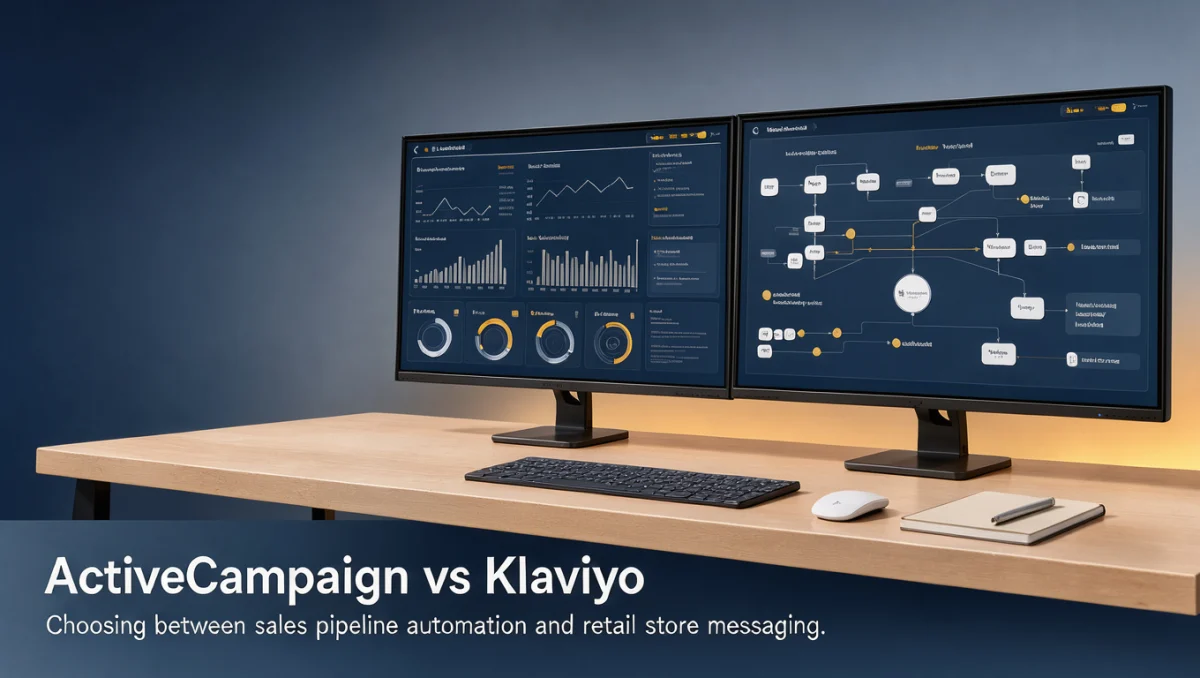
Reviewing marketing platforms requires looking beyond simple promotional claims to analyze real organizational utility. At Review Vault, our mission is to evaluate tools based on how they drive business operations and handle daily customer interactions without bias. Deciding between two industry leaders often depends on whether your commercial model revolves around consultative client acquisition or direct online checkout events.
The choice between these systems highlights two distinct approaches to customer communications. One path emphasizes contact records, pipeline management, and multi-stage deal tracking across sales cycles. The other prioritizes transactional shopping events, catalog synchronization, and targeted retail re-engagement. Identifying the system that aligns with your specific technical stack will save your team from painful migrations and structural bottlenecks later.
Quick verdict: Earning an aggregate evaluation of 8.0 out of 10, the decision in the activecampaign vs klaviyo matchup rests on your sales structure. Choose ActiveCampaign if your organization operates consultative services, agencies, or multi-step deal pipelines. Select Klaviyo if you run an online storefront that demands rapid event triggers derived from digital shopping baskets. Neither solution fits casual creators seeking a bare-bones email blaster without automated workflows.
| Evaluation Factor | reviewvault Summary |
|---|---|
| reviewvault score | 8.0 / 10 |
| Best for | Teams balancing client relationship tracking alongside automated email sequences, or online retail merchants managing digital shopping carts. |
| Not ideal for | Solo creators who only send manual email newsletters without automated logic, segmentation workflows, or transaction data tracking. |
| Key strengths | Complex branched workflow automations, customer relationship tracking, store-level purchase event monitoring, and audience segmentation. |
| What to check before buying | Review list size tiers, sending thresholds, contract terms, and required add-on modules on each official vendor website before subscribing. |
Evaluation Framework and Review Methodology
Our assessment analyzes both platforms across seven distinct categories: core feature depth, platform usability, pricing structure, external software integrations, target audience alignment, technical support, and competitive market positioning. Pricing tiers, functional caps, and service packages shift regularly, meaning buyers must always verify current details on the vendor's primary site before purchasing. This analysis was drafted with software-assisted research tools and rigorously finalized by the internal editorial team.
The Core Trade-off Summarized
Fundamentally, the distinction rests on how your organization captures revenue. ActiveCampaign builds around a versatile visual canvas uniting contact management, lead qualification metrics, and internal task assignments. It delivers tremendous value for corporate training providers, agencies, consultancies, and subscription services requiring human intervention during the buyer journey.
Conversely, Klaviyo anchors its architecture in the retail shopping environment. Its data ingestion engine continuously tracks digital storefront activity, including product views, cart additions, completed transactions, and refund records. If your primary growth channel depends on turning shopping history into targeted follow-ups, Klaviyo fits that operational rhythm. If you close sales through meetings, proposals, and pipeline movement, ActiveCampaign provides a far more suitable foundation.
Strategic Market Positioning

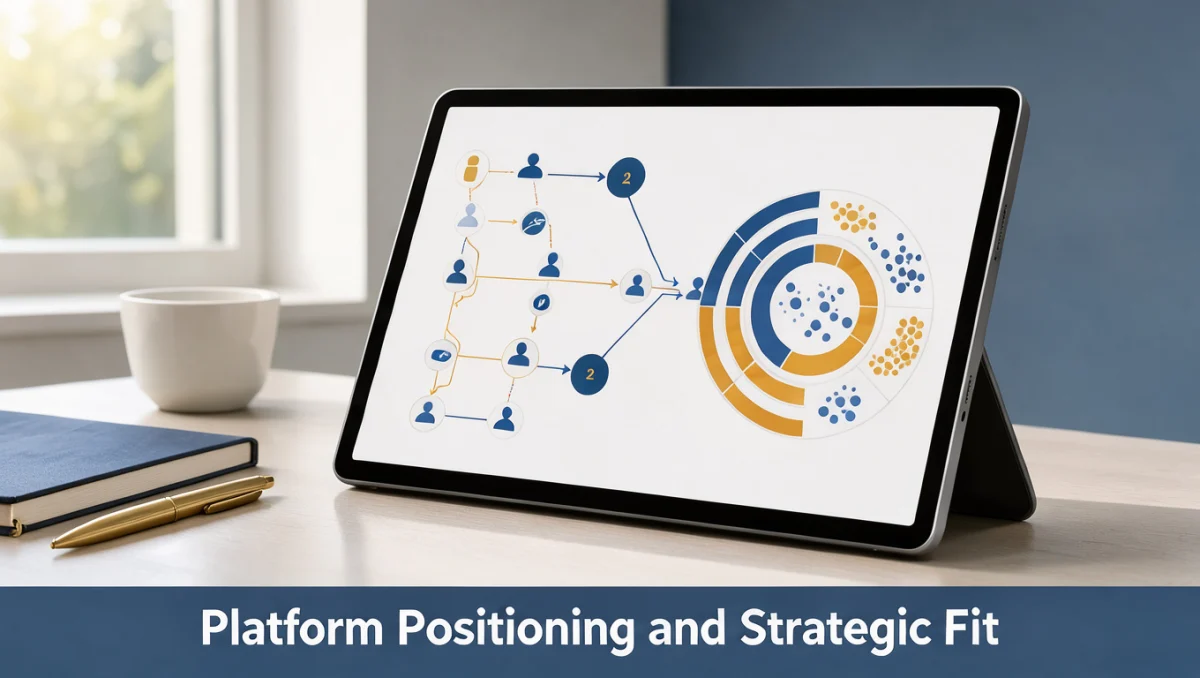
Understanding how automation providers position their products helps prevent structural misalignment within your internal processes. In modern Marketing tech stacks, software platforms interpret contact attributes and trigger next actions in vastly different manners.
| Tool | Best for | Core strength | Consider if |
|---|---|---|---|
| ActiveCampaign | B2B services, education providers, agencies, and mixed-model businesses. | Multi-path automation builders linked to deal stages and lead scoring mechanics. | Your operational model involves proposals, consultative client calls, or sales pipelines. |
| Klaviyo | Direct-to-consumer ecommerce merchants and product catalogs. | Real-time store event synchronization and product-specific audience segmentation. | Your revenue relies on repeat retail checkouts and online consumer browsing activity. |
Organizations must determine whether their primary customer relationship is consultative or purely transactional. When closing business requires human interactions, sales automation tools ensure high pipeline discipline. When revenue flows through unattended digital checkouts, an event-centric retail engine provides immediate utility.
Detailed Capabilities and Functional Scope
A comprehensive functional comparison requires examining how each tool designs workflows, segments audiences, and handles individual contact data.
Automation Canvas and Branching Mechanics
ActiveCampaign relies on a visual builder using custom triggers, split tests, timed pauses, and internal field updates. Users can map intricate journeys responding to email engagement, deal stage updates, score thresholds, or website visits. This structure gives teams the ability to steer prospects through extensive, multi-touch consultative cycles.
Klaviyo approaches automation through standardized retail flows crafted around digital store interactions. Sequences trigger upon abandoned carts, viewed items experiencing price drops, or customer loyalty tiers. While conditional branching exists based on customer lifetime value and past orders, the focus remains firmly locked on prompting online transactions rather than internal sales rep tasks.
Segmentation Depth and Data Handling
Audience filtering in ActiveCampaign leverages custom fields, engagement records, web activity, and contact tags. Teams can organize contacts based on resource downloads, service page views, and qualification milestones, which suits complex B2B scoring frameworks.
Klaviyo provides self-updating dynamic segments driven by store events, order regularity, and catalog interactions. Lists can pinpoint shoppers who purchased from specific product lines within set windows or explored items without buying. This granular retail filtering empowers brands to deploy targeted promotions with minimal manual curation.
Contact Records and Pipeline Capabilities
Native contact files in ActiveCampaign log conversation notes, assigned representatives, and deal stages. This allows service firms to oversee leads from initial contact to signed agreements without buying a third-party pipeline platform.
Klaviyo records emphasize messaging activity, order histories, predicted buying intervals, and aggregate spend. It omits conventional deal stages and sales rep assignment boards since online retail transactions rarely require manual representative handling.
Platform Usability and Initial Learning Curve
Operational complexity varies based on how your staff designs customer journeys and administers contact lists. Both platforms require dedicated onboarding, though complexity shows up in different ways.
Navigating Journey Builders
Building sequences in ActiveCampaign demands a solid grasp of how tags, lists, and custom attributes connect across pipelines and campaigns. Because branching logic is exceptionally deep, creators must plan carefully to prevent conflicting conditions. Users moving from basic broadcast tools usually experience a noticeable learning period.
Klaviyo provides an experience rooted in established retail playbooks, enabling merchants to roll out essential flows quickly. However, unlocking its full power involves understanding its data taxonomy, how product metadata maps to message blocks, and how predictive algorithms compute future purchasing behavior.
Content Layout and Template Assembly
Each platform supplies a drag-and-drop designer for building responsive emails. ActiveCampaign supports adaptable design modules, dynamic custom variables, and conditional blocks based on demographic parameters or applied tags.
Klaviyo formats its editor specifically for dynamic shopping cart reconstruction, catalog item feeds, and individualized product recommendations. This setup feels immediately natural to ecommerce teams needing to display inventory levels and live pricing dynamically without writing custom code.
Pricing Structure and Ownership Costs
Software investment levels scale with list volume, message delivery requirements, and feature tiers. Organizations must evaluate long-term cost structures beyond entry-level introductory plans.
Key Cost Drivers
Providers frequently tie subscription tiers to total tracked contacts, active database entries, or monthly sending volumes. When checking ActiveCampaign, review the official tier documentation to see how contact counts apply across lists, and confirm whether deal pipeline tracking requires higher-tier tiers or separate add-ons.
For Klaviyo, review the official calculator regarding combined SMS and email message quotas. Since charges depend on active profile sizes and message throughput, brands subject to sharp seasonal spikes must project how peak shopping holidays influence monthly software billing.
System Maintenance and Overhead
In addition to basic software subscriptions, businesses must budget for list hygiene, template production, and integration upkeep. Teams often find value in partnering with an experienced implementation specialist to construct branching rules, clean legacy lists, and configure webhooks properly during rollout.
Software Integrations and Connected Systems
Marketing engines must exchange information smoothly with online forms, billing processors, checkout systems, and scheduling apps.
Application Ecosystem Fit
ActiveCampaign integrates smoothly with appointment calendars, learning platforms, custom web forms, and client support desks. This breadth makes it highly practical for agencies, coaching programs, and consulting practices managing varied software tools.
Klaviyo specializes in tight integrations with leading ecommerce platforms, retail review systems, and point-of-sale networks. Its framework centers on handling inventory catalogs, checkout flows, and shipping alerts. Businesses lacking a standard online shopping portal will gain minimal value from its retail-centric connectors.
Information Syncing and Data Flow
Map your daily critical data fields before committing to either service. Check official documentation to verify whether records update instantaneously or in scheduled syncs, and whether custom attribute mapping demands third-party middleware or specialized technical support.
Ideal Business Model Fit
Picking software that mirrors your operating structure prevents procedural bottlenecks and enhances overall marketing output. Both platforms target entirely different operational realities.
When to Choose ActiveCampaign
ActiveCampaign matches companies managing combined marketing and sales pipelines. It is optimal if your operations require:
- Conducting consultative sales cycles featuring scheduled calls, custom quotes, and automated reminders.
- Operating membership hubs, educational academies, or professional service firms where service access depends on user engagement.
- Using lead scoring systems to qualify inbound prospects before handing them to sales reps.
- Triggering client onboarding pathways based on milestone completions, intake forms, or appointments.
When to Choose Klaviyo
Klaviyo is built specifically for direct-to-consumer digital commerce. Consider it if your daily routines center on:
- Operating an online storefront managing physical or digital goods via a linked product catalog.
- Automating outreach based on abandoned checkouts, site browsing, and replenishment cycles.
- Creating audience tiers based on purchase frequency, average basket size, and cumulative customer value.
- Orchestrating integrated SMS and email campaigns specifically timed for product releases.
Customer Assistance and Knowledge Resources
Dependable support documentation and responsive technical help are vital when building complicated workflows or resolving message deliverability challenges.
Guidance Channels and Documentation Quality
Both providers provide detailed self-guided documentation, user forums, and learning portals. While evaluating options, verify on their official help portals which communication methods—such as ticketing, live chat, or phone—accompany each plan level, as well as operational hours for your time zone.
Businesses with strict compliance or complex technical setups should also consult enterprise support guidelines to confirm whether specialized onboarding specialists require custom agreements.
Market Standing and Alternative Options
Within marketing automation, both platforms serve as category standards for their respective focus areas. ActiveCampaign competes with solutions like HubSpot, Keap, and Brevo for consultative automation, offering powerful multi-stage workflows without enterprise-level pricing.
Klaviyo stands alongside retail-focused tools such as Mailchimp, Omnisend, and Drip. Its chief advantage remains out-of-the-box shopping cart synchronization, letting merchants launch behavior-driven automations without dedicated database developers. Deciding between them depends on whether your commercial model revolves around a digital checkout cart or a relationship pipeline.
Decision Framework: Choosing Your Platform
Selecting the best tool requires auditing your team's workflow, current tech infrastructure, and growth projections. Follow these practical steps to choose the right fit.
Step 1: Identify Your Primary Conversion Milestone
Pinpoint how an inbound user becomes a paying customer. If transactions take place through a digital shopping cart, Klaviyo provides the dedicated data framework you need. If transactions happen through discovery meetings, tailored contracts, or sales proposals, ActiveCampaign provides the necessary pipeline structure.
Step 2: Map Desired Automation Logic
Diagram your intended customer communication paths. If your workflows require logic splits tied to sales stages, internal alerts, and form submissions, choose ActiveCampaign. If your sequences rely purely on order history, abandoned carts, and item categories, Klaviyo handles the process seamlessly.
Step 3: Evaluate Channel Priorities and Total Cost
Determine whether your marketing needs integrated sales pipelines or leans entirely into consumer channels like SMS and email. Use the official vendor pricing calculators to estimate audience growth and verify that subscription fees remain cost-effective over the coming year.
Frequently Asked Questions
What additional expenses should I plan for beyond software tiers?
Teams should plan for list hygiene services, graphic template assets, and middleware tools if existing software lacks direct connectors. Setting aside internal hours or consultant fees for data migration and setup ensures your day-to-day campaigns remain uninterrupted.
How can I tell if my business actually requires a sales pipeline?
A pipeline tool is necessary if your commercial model involves customized quotes, discovery conversations, agreements, or direct sales follow-ups. If transactions occur entirely through automated digital checkouts, sales pipelines add unnecessary complexity, making retail automation a cleaner alternative.
Can subscriber records and historical logs transfer between these platforms?
Basic contact attributes like phone numbers, email addresses, and text fields export and import easily via spreadsheets. However, behavioral data, dynamic workflow histories, and real-time automation statuses cannot transfer, requiring you to rebuild active journeys manually in the new environment.
What practices protect inbox deliverability across both platforms?
Inbox delivery depends on correct DNS authentication, routine list cleaning, message relevance, and subscriber interactions. Regularly pruning non-engaged contacts and maintaining authenticated domain records guarantees consistent inbox placement regardless of your chosen provider.
Concluding Assessment
Both systems represent premier automation technology, yet they serve fundamentally different operational models. ActiveCampaign excels at complex customer journeys connecting automated follow-ups with sales pipelines and internal tasks. Klaviyo delivers distinct strengths for digital merchants requiring direct storefront event synchronization to accelerate repeat retail orders.
| Criterion | Score / 10 | Reason |
|---|---|---|
| Features | 8.5 / 10 | Both platforms deliver rich workflow capabilities tailored precisely to their target business models. |
| Ease of Use | 8.0 / 10 | Interface navigation requires onboarding discipline due to complex branching rules and detailed segmentation options. |
| Pricing and Value | 7.5 / 10 | Costs scale progressively with contact and message volumes, requiring buyers to verify official tier thresholds carefully. |
| Integrations | 8.0 / 10 | ActiveCampaign connects broadly across business tech stacks, while Klaviyo provides specialized retail store connectivity. |
| Audience Fit | 8.5 / 10 | Each tool aligns closely with its intended audience, clearly separating B2B service workflows from B2C retail models. |
| Support | 7.5 / 10 | Educational documentation is thorough, while direct communication channels depend on the selected tier level. |
| Competitive Position | 8.0 / 10 | Each platform holds a reputable standing within its respective sector of sales automation or retail communication. |
| Overall score | 8.0 / 10 | Calculated average reflecting specialized design, functional depth, and clear operational utility across both tools. |
Agencies, service providers, and consultative companies should adopt ActiveCampaign for their relationship tracking. Dedicated ecommerce merchants aiming to lift order volumes via catalog and cart triggers should implement Klaviyo. Map your organizational workflows and confirm active plan details on official vendor pages before making your final selection.