

Review Vault may earn a commission when you buy through links on this page, at no extra cost to you. Our ratings remain independent of any partnership.
Bringing verified B2B contact intelligence into outbound cadences helps teams prospect with precision. Choosing the right blend of contact data and sequencing software means checking data accuracy, workflow fit, and subscription limits. At Review Vault, we judge tools by operational value and long-term usefulness rather than sales claims.
Sales development reps, account executives, and revenue leaders depend on confirmed contact details to keep bounce rates low and inboxes reachable. When discovery and cadence execution run together, reps spend their hours talking to qualified buyers instead of copying numbers between browser tabs.
Quick verdict: Cognism earns an overall score of 7.8/10 for sales intelligence teams that want direct cadence syncing. It suits outbound teams focused on direct dialing and verified European or international B2B records. It is a weaker fit for solo operators with occasional prospecting needs or buyers hunting for a cheap, low-commitment lookup tool.
| Evaluation Metric | Summary |
|---|---|
| Review Vault score | 7.8/10 |
| Best for | Outbound sales development teams that need compliant international contact data paired with structured outreach sequences |
| Not ideal for | Freelancers or casual prospectors who only run occasional individual lookups |
| Key strengths | Broad international contact coverage, a focus on direct phone verification, and clean alignment with outbound sales workflows |
| What to check before buying | Confirm seat allocations, export caps, credit renewal terms, and contract length on the official Cognism website |
1. How Review Vault Reviewed Cognism
This review covers what Cognism is built to do, who it serves, and how it stacks up against similar platforms. We score it across seven Review Vault criteria: features, ease of use, pricing and value, integrations, audience fit, support, and competitive position. Plans and limits change frequently, so we flag the details you should verify on the official site before purchasing. This article was researched and drafted with AI assistance, then reviewed and edited by the Review Vault Editorial Team.
2. What Cognism Is and Who It Serves
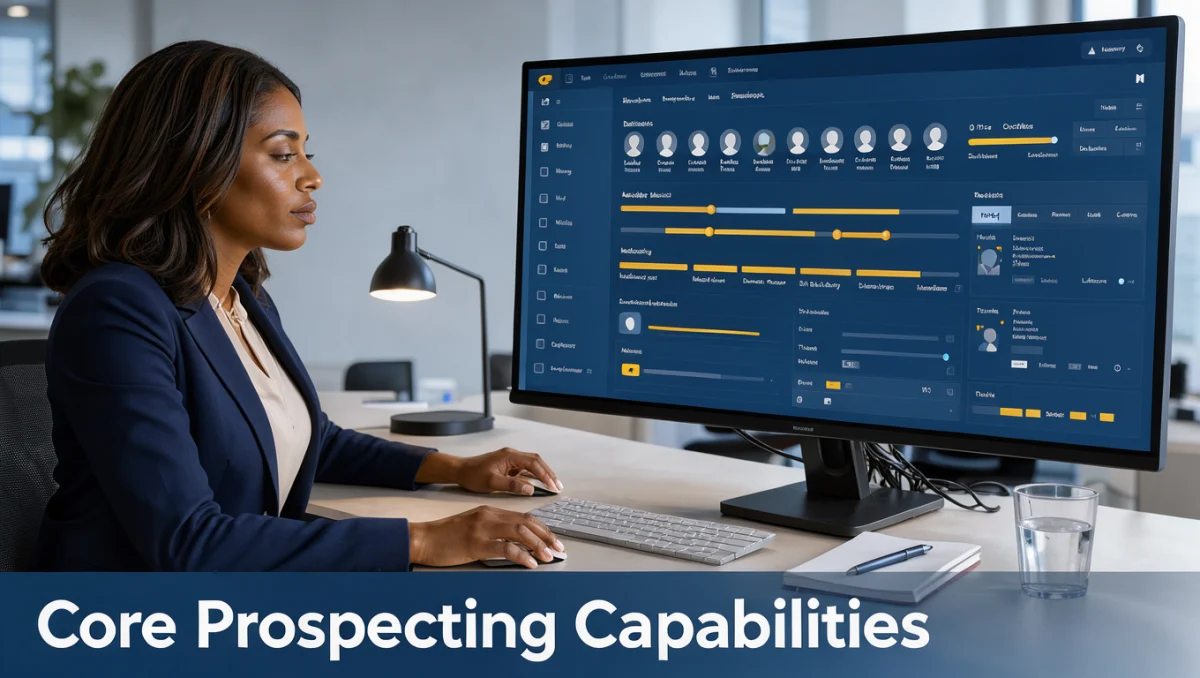
Cognism is a B2B sales intelligence and data enrichment platform that helps commercial organizations locate qualified business contacts. It offers company profiles, firmographic data, mobile numbers, and direct email records across many industries and regions. By organizing verified intelligence, it helps revenue teams build targeted account lists and reach decision-makers.
The software is aimed mainly at business development reps, sales managers, revenue operations specialists, and marketing teams running outbound prospecting. When assessing modern sales tools, companies examine how contact records move through their existing tech stack. Teams relying on the cognism outreach integration want verified prospect records pushed straight into multichannel sequences without manual entry.
Organizations centered on outbound calling, enterprise account mapping, and structured pipeline generation get the most from this category. By contrast, small businesses relying solely on inbound marketing or local foot traffic seldom need a high-volume B2B data subscription.
3. Core Features for Outbound Prospecting
Assessing sales intelligence platforms means understanding their main capabilities across data sourcing, compliance management, and workflow automation. The core operational areas below mirror how sales teams engage prospects every day.
3.1. Contact Discovery and Firmographic Search
Discovery tools let sales professionals find prospective accounts and decision-makers through targeted filters. Teams can narrow results by job title, company headcount, industry, geography, and reporting hierarchy. This ensures reps build prospect lists that match their ideal customer profile before launching email sequences or phone calls.
3.2. Phone Verification and Contact Data Sourcing
Accurate direct contact details determine how often reps reach live prospects. Platforms in this space source corporate switchboards, verified direct dials, mobile numbers, and professional email addresses. Prioritizing verified mobiles helps phone-first teams cut wasted dialing and reach decision-makers who work remotely or in hybrid offices.
3.3. Cadence and CRM Workflow Synchronization
Linking data discovery directly to engagement systems removes admin friction from outbound campaigns. Contact records, properties, and account tags flow into sales automation tools, so reps can enroll new prospects into email steps, call lists, and social tasks immediately. This sync keeps CRM records clean and prevents duplicate entries across the revenue stack.
3.4. Compliance Management and Registry Screening
Compliance is a critical part of modern outbound prospecting, especially for organizations doing business in the United Kingdom and continental Europe. Intelligence tools often screen phone lists against national do-not-call registries to help sales teams follow regional marketing rules. Verifying compliance standards remains essential for teams managing international outreach.
4. Ease of Use and Learning Curve
Adopting a sales intelligence platform involves onboarding reps, configuring export settings, and building consistent list-building habits. The user experience strongly shapes how fast a sales team folds prospect data into its daily sequences.
Search interfaces on these platforms typically offer a straightforward search bar and filter panels, so new users can build basic prospect lists with little training. Mastering advanced filter logic, boolean operators, account mapping, and export rules, however, takes dedicated onboarding time for revenue operations teams. Agreeing on naming conventions and tagging rules early keeps messy records from polluting downstream sequencing tools.
Reps who work mostly in external tools can use browser extensions to look up contacts on company websites and professional networks. Confirming that the extension and export workflow run smoothly within your team's daily browsing habits helps drive adoption.
5. Pros and Cons

Understanding both the strengths and the limits of sales data platforms helps buyers make realistic purchasing decisions.
5.1. Operational Strengths
- Concentrates on direct mobile dials and international B2B contact verification.
- Boosts outbound efficiency by pushing prospect records into sales execution sequences.
- Supports regional telephone compliance through active registry screening.
- Offers detailed firmographic filtering to help teams define precise target account lists.
5.2. Operational Limits
- Annual commercial commitments may exceed the budgets of early-stage startups.
- Contact coverage can vary by niche industry or region, so upfront testing is advisable.
- Export governance and credit consumption policies need ongoing monitoring to avoid mid-contract shortages.
6. Cognism Compared with Similar Prospecting Platforms
Looking at the competitive landscape helps buyers see how different sales intelligence platforms position themselves.
ZoomInfo targets large corporations and enterprise sales teams that need deep org charts, broad North American coverage, and advanced revenue operations suites. Teams that prioritize deep corporate hierarchies in North America often start their search there.
Lusha aims at small-to-midsize sales teams and individual recruiters who value fast onboarding, self-serve setup, and lightweight browser lookups. It suits teams that want simple contact retrieval without long deployments.
Kaspr focuses on individual sales professionals, small agency owners, and recruiters who extract contacts from professional social networks. Its emphasis stays on accessible, personal prospecting rather than enterprise-wide revenue operations.
Cognism stands apart by emphasizing mobile phone accuracy and robust compliance screening for European and international sales teams. Organizations running phone-centric outreach across Europe often make Cognism the centerpiece of their outbound evaluations.
7. Who Should Use Cognism
Different business types get different value from sales intelligence platforms, depending on their sales motion, geographic targets, and budgets.
7.1. Mid-Market and Enterprise Outbound Sales Teams
Outbound teams with dedicated sales development reps running high-volume calling and emailing gain substantial value. Linking verified contact records directly to engagement tools keeps rep productivity steady and reduces pipeline bottlenecks.
7.2. International and European Revenue Operations
Organizations operating across borders or calling European prospects must follow local calling registries closely. Teams managing outreach across several European countries benefit from specialized compliance screening and verified mobile numbers.
7.3. Solo Professionals and Early-Stage Startups
Freelancers, solo consultants, and early-stage founders with limited outbound volume may find annual intelligence contracts out of step with their cash flow. These users usually benefit more from lightweight, month-to-month lookup tools until their sales process matures.
8. How to Choose the Right Plan
Vendors structure sales intelligence contracts around several usage dimensions. Reviewing these terms before signing prevents surprise limits or unexpected expansion costs.
| What to Check on the Official Website | Why It Matters for Your Business |
|---|---|
| User seat access policies | Determines whether licenses can be shared across sales development teams or require individual named seats. |
| Export and credit allowances | Confirms how many contact records reps can export into sequences and CRMs each month. |
| Regional data availability | Ensures contact coverage depth matches the exact markets your outbound reps target. |
| Platform integration access | Clarifies whether your preferred engagement and CRM connectors are included in the base package. |
| Contract term and renewal terms | Ensures budget fit against commitment length, cancellation windows, and annual payment terms. |
9. Frequently Asked Questions
How should teams prepare sales cadences before importing new contact data?
Teams should audit existing audience segments, draft tailored messaging steps, set up deliverability safeguards, and verify custom field mapping between platforms. Preparing cadence templates and clear CRM ownership rules ensures exported prospect records land in organized, compliant sequences as soon as they are imported.
What should revenue operations check regarding contact export limits?
Revenue leaders should review monthly or annual export credit allocations, rollover policies, and team-wide pooling rules directly in the official contract. Clarifying these terms early keeps reps from running out of allowance during a busy outbound quarter.
Why does telephone preference registry screening matter for outbound sales?
Many countries restrict unsolicited marketing calls to numbers that are not listed on official opt-out registries. Intelligence tools that screen numbers against these registries help organizations stay compliant and avoid regulatory penalties during phone campaigns.
How do data platforms keep contact records accurate over time?
Providers continually verify active phone connections, monitor corporate domain changes, track job movement, and clean stale records. Revenue operations teams should also run internal CRM deduplication workflows so outdated records do not conflict with newly enriched data.
10. Final Verdict
Choosing sales intelligence software means weighing data accuracy, workflow convenience, and contract terms against your commercial goals. Feeding verified contact intelligence into structured sales cadences lets reps run disciplined prospecting campaigns without manual administrative delays.
| Evaluation Criterion | Score /10 | Assessment Summary |
|---|---|---|
| Features | 8.5/10 | Strong contact discovery, phone verification tools, and structured export options for outbound teams. |
| Ease of Use | 7.5/10 | Clean core interface, though complex filters and admin mapping need team onboarding. |
| Pricing and Value | 7.0/10 | Contract terms must be verified on the official website to ensure credit limits match expected volume. |
| Integrations | 8.0/10 | Connects with major engagement and CRM systems; buyers should confirm their specific setup needs. |
| Audience Fit | 8.5/10 | Well suited to structured outbound teams and international prospecting operations targeting decision-makers. |
| Support | 7.5/10 | Buyers should review onboarding help and account management availability before contracting. |
| Competitive Position | 7.5/10 | Holds a distinct position in international phone accuracy and compliance screening among peers. |
| Overall Score | 7.8/10 | A disciplined sales intelligence platform for teams running structured outbound phone and email sequences. |
For mid-market and growing sales teams that need verified B2B mobile numbers and international contact compliance, Cognism is a focused option worth evaluating. Smaller teams or solo professionals with low prospecting volume should check whether their projected outreach justifies an annual subscription.
Readers with questions about sales software selection are welcome to reach out through the Review Vault contact page or follow updates on the official Review Vault LinkedIn company profile.