
reviewvault may earn a commission when you buy through links on this page, at no extra cost to you. This does not affect our ratings.
ZoomInfo vs Apollo.io represents one of the primary software evaluations for business teams seeking contact discovery and outreach pipelines in 2026. Buyers assessing modern Sales intelligence platforms must determine whether enterprise directory depth or an integrated pipeline workflow matches their operating model. At reviewvault, our review examines how both platforms address prospecting workflows without relying on temporary marketing claims.
Selecting between these two platforms requires evaluating team workflow requirements, contact refresh expectations, and internal operational maturity. Organizations with dedicated procurement processes often prioritize deep corporate hierarchies, while agile teams frequently seek unified prospecting and messaging in a single environment. Comparing these solutions helps sales leaders match budget allocation with daily representative needs.
Quick verdict: Evaluating zoominfo vs apollo io yields an overall reviewvault score of 8.0/10. Teams with complex account-based selling structures and enterprise data governance gain significant value, while solo operators or organizations needing simple ad-hoc prospecting find the expansive overhead unnecessary.
| Evaluation Metric | Summary Details |
|---|---|
| reviewvault score | 8.0/10 |
| Best for | Revenue teams requiring structured account prospecting, territory mapping, and direct buyer contact discovery |
| Not ideal for | Occasional prospectors seeking simple business lookups without regular outbound engagement campaigns |
| Key strengths | Deep company hierarchy mapping, comprehensive contact discovery, and structured sales intelligence capabilities |
| What to check before buying | Review exact subscription term lengths, user seat commitments, and data export allocations on official vendor pages |
1. How reviewvault Reviewed ZoomInfo vs Apollo.io
This review looks at what ZoomInfo vs Apollo.io is built to do, who it serves, and how it compares with similar tools, using the seven reviewvault criteria: features, ease of use, pricing and value, integrations, audience fit, support and competitive position. Plans, prices and limits change often, so we point out what to confirm on the official website before you buy. This article was researched and drafted with the help of AI tools, then reviewed and edited by the reviewvault Editorial Team.
2. Short Answer: Main Differences Between ZoomInfo and Apollo.io

ZoomInfo focuses primarily on deep enterprise-grade corporate intelligence, organizational hierarchy mapping, and data enrichment across expansive corporate accounts. Apollo.io positions itself as an integrated sales engagement platform that combines database discovery directly with outbound sequencing and execution tools. The fundamental distinction centers on whether your revenue organization requires deep intelligence infrastructure or an operational engagement engine that handles contact discovery alongside automated message sequences.
2.1. Positioning Overview
| Platform | Best for | Core strength | Consider if |
|---|---|---|---|
| ZoomInfo | Mature go-to-market teams with dedicated operational specialists | Extensive organizational charting and comprehensive B2B contact intelligence | Your enterprise needs structured hierarchy mapping and multi-department buyer visibility |
| Apollo.io | Growing revenue teams and agile outbound representatives | Combined prospect discovery alongside integrated communication sequences | Your team wants to source prospects and execute outreach campaigns within one environment |
3. Features Comparison for Prospecting and Sales Engagement
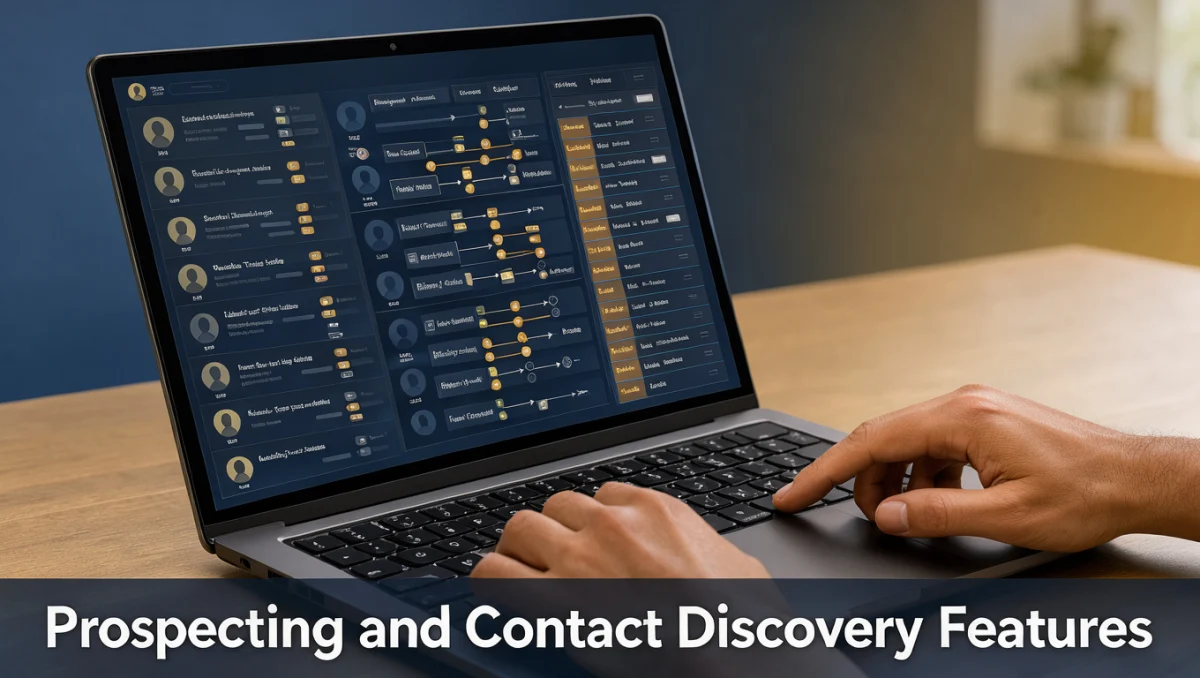
Prospecting functionality differs in architectural scope and daily workflow execution between both platforms. Modern revenue teams rely on prospecting software to identify target accounts, uncover verified buyer contact records, and track account movement across various buying stages.
3.1. Contact Discovery and Data Coverage
ZoomInfo emphasizes comprehensive organizational charting that allows sales representatives to view reporting lines, department divisions, and executive leadership within enterprise corporations. This structured mapping assists account executives in navigating multi-stakeholder buying committees where identifying several department leaders is mandatory for deal progression.
Apollo.io combines prospect search filters with direct execution tools, allowing outbound reps to transition directly from search results into communication cadences. Buyers evaluating directory depth should verify contact verification standards and database refresh intervals on official vendor pages to ensure their target industry verticals are covered adequately.
3.2. Outbound Workflow and Sales Engagement Execution
Sales execution workflows determine how quickly prospecting lists translate into live buyer conversations. Teams utilizing standalone intelligence platforms typically sync contact records into third-party customer relationship management tools or dedicated dialers to execute outreach.
Integrated platforms offer native email scheduling, step-based follow-ups, and dialer tools directly inside the discovery dashboard. Organizations should assess whether their operational setup benefits from consolidating discovery and delivery into one tool, or whether using best-of-breed specialized sequencing applications yields superior team performance.
4. Ease of Use and Platform Learning Curve
Operational complexity varies significantly based on administrative requirements and interface density. Software adoption often hinges on whether day-to-day representatives can build targeted account filters without extensive technical training.
4.1. Dashboard Navigation and Filter Management
ZoomInfo provides detailed search filters including corporate revenue ranges, industry classifications, technographic attributes, and management level indicators. Managing these advanced filter groups requires careful onboarding so representatives avoid building overly restrictive searches that overlook viable target prospects.
Apollo.io provides a unified workspace interface where search lists, contact profiles, and sequencing tasks sit within adjacent navigation menus. Newer sales development representatives often adapt rapidly to this layout, though enterprise administrators must establish governance standards to prevent duplicate contact creation across shared workspaces.
5. Pricing Structure and Value Assessment
Subscription models across B2B sales software depend on licensing structures, platform credits, and contracted service terms. Prospective purchasers should review published billing guidelines carefully before entering long-term operational agreements.
5.1. Evaluating Return on Investment
Contract commitments in sales intelligence platforms frequently involve annual multi-seat agreements with specific credit allocations for record viewing and data exports. Sales organizations must calculate their monthly record consumption rates before selecting a licensing tier, as purchasing additional contact records outside baseline contractual allowances increases overall expenditure.
Buyers should confirm payment frequency options, add-on costs for advanced enrichment features, and minimum seat purchase policies on the official ZoomInfo and Apollo.io pricing pages prior to signing procurement contracts.
6. System Integrations and Data Synchronization
Data synchronization between your intelligence platform and central customer relationship management database prevents pipeline duplication and stale contact records. Sales operations leaders should prioritize platforms that support bidirectional record hygiene.
6.1. CRM and Workflow Connectivity
Enterprise revenue operations teams require field-level mapping to ensure firmographic details populate correct database fields without overwriting proprietary customer notes. Many software vendors restrict bidirectional synchronization or custom field mapping to higher-level contracts, so organizations must verify integration availability with their specific CRM setup before completing purchase agreements.
7. Target Audience Fit Across Business Stages
Matching software capabilities to organizational maturity prevents operational friction and unused feature overhead. Team size and outbound strategy determine which tool aligns with daily business demands.
7.1. Enterprise Sales Organizations
Large sales organizations with dedicated operations managers, legal procurement requirements, and deep enterprise territory alignments frequently benefit from detailed account intelligence and organizational hierarchy charts. These mature teams often maintain separate dedicated tools for pipeline messaging and require data platforms to serve strictly as clean intelligence foundations.
7.2. Startups and Growing Mid-Market Teams
Agile companies and expanding outbound teams typically seek rapid speed to execution with minimal administrative configuration. Having sourcing, direct email sequences, and phone follow-ups unified within a single system allows smaller teams to launch outbound campaigns without managing complex multi-vendor software stacks.
8. Customer Support and Platform Reliability
Implementation success relies heavily on vendor guidance during initial database configuration and domain authentication. Dedicated onboarding ensures proper record governance across outbound teams.
8.1. Support Channels and Onboarding Resources
Customer assistance structures vary widely between software vendors, with some offering dedicated customer success managers for multi-seat accounts while providing self-service documentation or ticketing systems for smaller teams. Buyers must check official vendor support terms to understand what training resources and response times accompany their planned subscription tier.
9. Competitive Position in the B2B Sales Category
The sales intelligence and engagement sector includes several established providers designed to solve business prospecting demands. Understanding overall category positioning clarifies where each tool concentrates its development focus.
9.1. Market Landscape and Alternative Considerations
Beyond ZoomInfo and Apollo.io, organizations evaluating B2B data providers frequently review platforms such as Cognism and Lusha for specialized regional compliance or direct phone contact verification. Evaluating your primary geographical target markets helps determine whether a global enterprise database or a regional specialist represents the ideal strategic investment.
10. How to Decide Between ZoomInfo and Apollo.io
Choosing the correct prospecting software requires an objective review of your sales strategy, administrative resources, and technological infrastructure. Follow this structured assessment framework to determine which solution fits your revenue pipeline.
10.1. Step-by-Step Decision Framework
- Define your primary operational requirement: Determine whether your sales team primarily needs an exhaustive enterprise corporate database for account navigation or an all-in-one engagement engine for daily sequence execution.
- Audit existing software infrastructure: Examine your current customer relationship management tools, dialers, and sequencing software. If your team already uses standalone outreach applications, an intelligence-focused provider fits neatly into your stack.
- Estimate monthly contact volume: Calculate how many verified email addresses and direct phone records your representatives export every month. Verify on official vendor pricing pages how each company handles credit deductions and data rollover policies.
- Review technical governance requirements: Consult your internal revenue operations staff regarding data compliance, custom field mappings, and administrative security configurations.
11. Frequently Asked Questions About Sales Intelligence Tools
11.1. What factors determine the overall cost of sales intelligence platforms?
Total expenditure typically depends on contracted user seats, monthly data export allowances, and optional add-on capabilities such as advanced intent monitoring or custom database enrichment. Organizations should calculate their expected prospect viewing requirements and review official vendor comparison tables to prevent unexpected expansion fees during active subscription cycles.
11.2. How should teams verify contact data accuracy before selecting a provider?
Prospective purchasers should request direct sample searches covering their specific target industry verticals and executive job titles during vendor discussions. Running test exports against known customer lists allows sales operations managers to measure phone connectivity rates and email bounce frequency across authentic business segments.
11.3. Should smaller teams choose an integrated platform or separate specialized tools?
Early-stage companies and lean outbound teams often minimize operational friction by selecting an integrated environment that combines contact sourcing with direct email execution. Larger enterprises with dedicated database administrators usually gain greater flexibility by pairing specialized intelligence directories with standalone enterprise relationship management platforms.
11.4. What technical setup steps are required before launching automated outbound campaigns?
Teams deploying outreach platforms must configure domain authentication records, establish sending limits, and map custom contact fields into their primary business database. Consulting administrative setup documentation ensures outbound messages maintain appropriate deliverability standards while keeping internal customer records synchronized across all operational tools.
12. Final Verdict: ZoomInfo vs Apollo.io
Selecting between ZoomInfo vs Apollo.io ultimately depends on your revenue team structure, internal data governance, and preferred outbound methodology. Review the comprehensive reviewvault category scoring below to inform your strategic software purchase.
| Criterion | Score /10 | Reason |
|---|---|---|
| Features | 9.0/10 | Both platforms deliver advanced prospecting, contact discovery, and pipeline management tools tailored for outbound sales teams. |
| Ease of Use | 7.5/10 | Advanced search filtering and administrative governance settings require structured onboarding to prevent user confusion. |
| Pricing and Value | 7.0/10 | Total value depends heavily on contract commitments and credit consumption rates that buyers must verify independently. |
| Integrations | 8.0/10 | Both solutions connect with standard CRM platforms, though advanced bidirectional field sync varies by subscription tier. |
| Audience Fit | 8.5/10 | Clear distinction between enterprise account mapping needs and agile, all-in-one engagement workflows. |
| Support | 7.5/10 | Service experiences and onboarding assistance scale relative to purchased contract size and dedicated account status. |
| Competitive Position | 8.5/10 | Both platforms hold strong, distinct positioning across B2B data intelligence and outbound sales execution categories. |
Overall score: 8.0/10
For enterprise revenue teams managing complex account structures across multiple buying committees, ZoomInfo offers deep organizational intelligence that justifies dedicated operational configuration. For agile startups, growing mid-market sales teams, and individual outbound representatives looking to discover prospects and execute multi-step communications inside a single platform, Apollo.io provides a streamlined operational workflow. Explore software recommendations from Review Vault to align your technical investments with measurable business objectives.
Have additional questions about choosing the right sales technology stack? Submit an inquiry through https://reviewvault.net/contact/ or connect with reviewvault on LinkedIn at https://www.linkedin.com/company/reviewvault/ for updated software buying frameworks.