
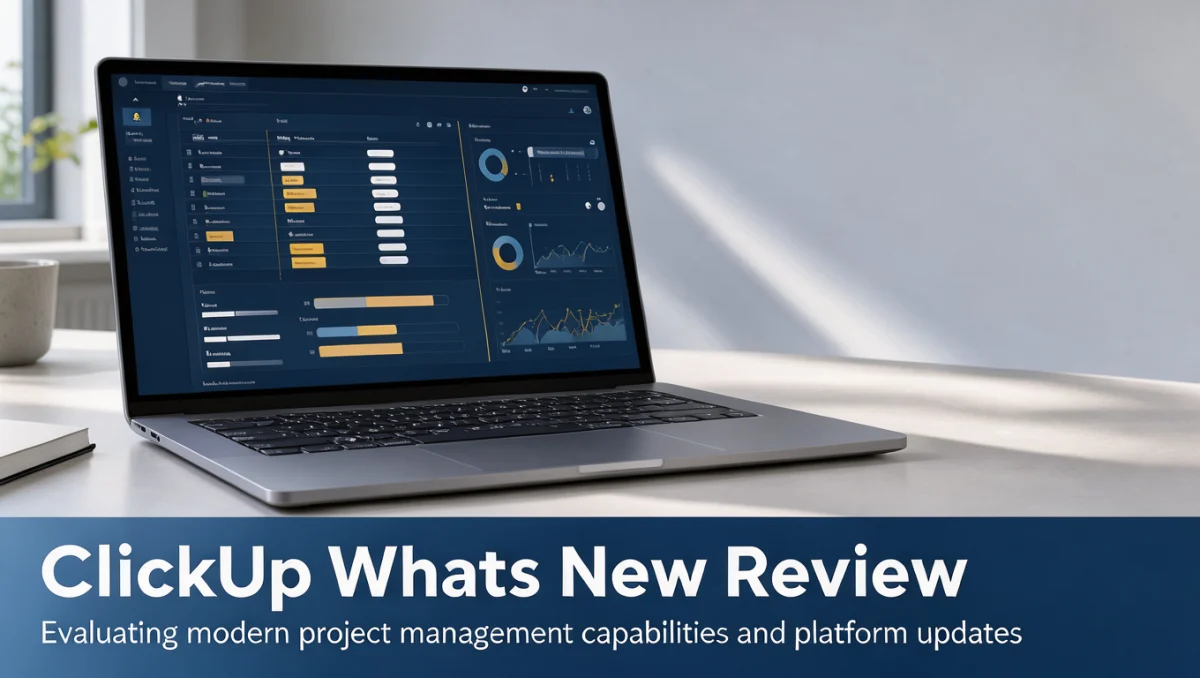
Teams researching clickup whats new are usually asking one practical question: has the platform matured enough to replace the scattered spreadsheets, notes and scheduling boards they rely on today? Answering that requires looking past headline announcements and judging how changes affect daily collaboration. Review Vault evaluates work management software against real workflow demands rather than promotional claims.
Our assessment of clickup whats new releases follows a structured framework: how well the tool coordinates teams, tracks tasks, and organizes documents, and whether it balances deep configuration with everyday ease of use. Before rolling anything out company-wide, check how long-term fit holds up in your own environment.
Quick verdict: ClickUp earns 7.7/10 in our review. It suits cross-functional teams and businesses that want one adaptable workspace for tasks, roadmaps and documentation. It is less suitable for solo users or organizations that want minimal setup and zero administrative upkeep.
| Metric | Summary |
|---|---|
| Review Vault score | 7.7/10 |
| Best for | Cross-functional departments wanting flexible task hierarchies and centralized documentation |
| Not ideal for | Operators seeking simple checklist tracking with zero administrative configuration |
| Key strengths | Adaptable view types, comprehensive task organization, and centralized workspace documentation |
| What to check before buying | Confirm user seat minimums, workspace storage thresholds, and update cadences on the official site |
1. How Review Vault Reviewed ClickUp
This review examines what ClickUp is built to do, who it serves, and how it stacks up against similar tools. We apply seven Review Vault criteria: features, ease of use, pricing and value, integrations, audience fit, support, and competitive position. Plans, prices and limits change frequently, so treat the points below as a starting checklist and confirm current details on the official website. This article was researched and drafted with AI assistance, then reviewed and edited by the Review Vault Editorial Team.
2. What Is ClickUp and Who Is It For
ClickUp is a work management and productivity platform that aims to combine project tracking, team communication and personal organization in one environment. Organizations typically adopt such platforms to replace disconnected spreadsheets, fragmented note apps and isolated scheduling boards. Through structured spaces, folders, lists and individual tasks, groups can manage ongoing deliverables alongside longer-range planning.
The main audiences include product management teams, digital agencies, operations departments and service businesses that need clear project hierarchies. Buyers exploring AI-driven productivity options should favor tools with dependable underlying architecture over tools chasing novelty. ClickUp appeals mainly to teams that want documentation, milestone scheduling and operational tracking living inside one connected system.
3. Core Features and Capabilities
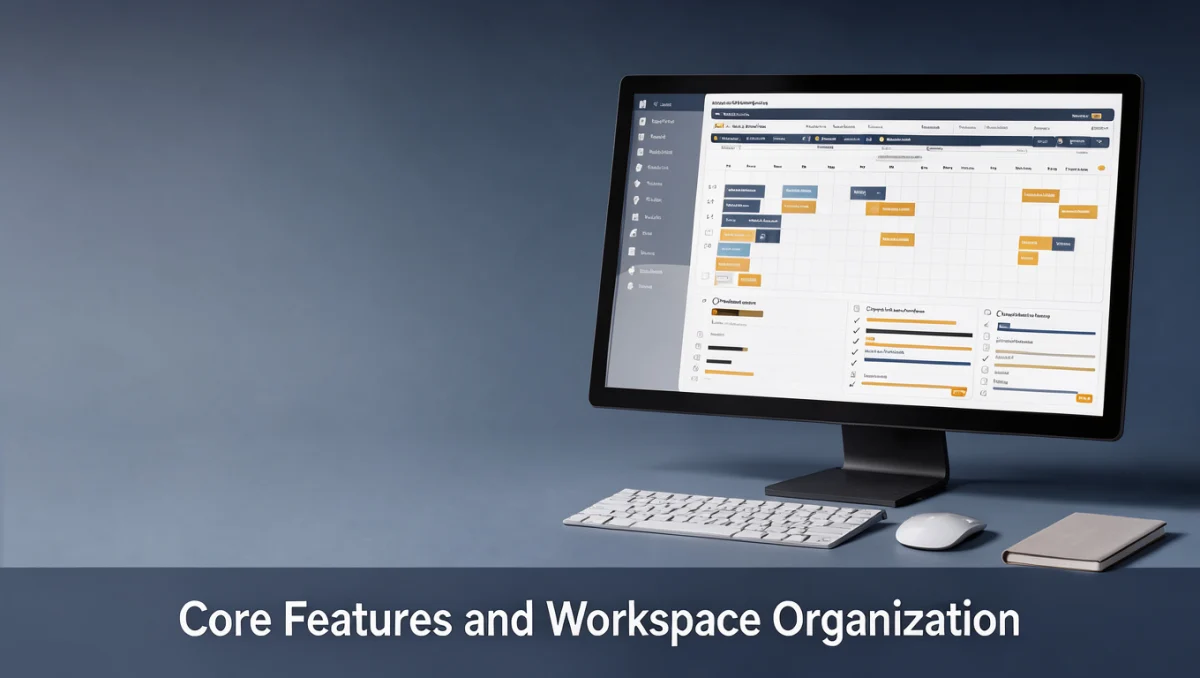
Productivity platforms succeed when they centralize operational activity so contributors spend less time hunting for project assets. ClickUp organizes work around several functional pillars that define modern project management systems.
Task Management and Execution
Task tracking is the foundation of the software. Users assign owners, set due dates, define priorities and add contextual subtasks. Team members can link dependent deliverables so sequential work proceeds in the correct order. Status tracking lets managers follow progress across multiple stages without repeated alignment meetings.
Flexible Workspace Views
Different departments need different perspectives on the same project data. The platform offers list layouts for operational checklists, visual boards for agile workflows, timeline calendars for deadline planning and graphs for dependency mapping. This multi-view approach lets individuals pick the view that suits them without changing the structure their colleagues rely on.
Embedded Documentation and Collaboration
Built-in documentation lets teams keep guidelines, standard operating procedures and project briefs beside execution tasks. Embedded documents support collaborative editing and direct task creation from highlighted text. Keeping documentation connected to task lists reduces context switching and keeps instructions within reach during active work.
4. Ease of Use and Learning Curve
Highly customizable platforms inevitably require a deliberate onboarding process. ClickUp lets administrators configure custom fields, personalized task statuses and tailored workspace permissions. That adaptability fits varied industry workflows, but it also adds administrative complexity that smaller groups may find demanding.
New members need to understand the hierarchy of spaces, folders and lists before contributing effectively. Without internal governance and clear naming conventions, workspaces can accumulate duplicate fields and cluttered views. Organizations that succeed with the platform usually appoint an internal workspace administrator to maintain structural discipline across departmental folders.
5. Pros and Cons
Weighing any team collaboration tool means balancing its operational advantages against everyday trade-offs. The points below summarize structural strengths and practical limitations.
Platform Advantages
- Extensive customizability across views, statuses and operational fields
- Native document creation tightly integrated with action items
- Flexible workspace hierarchy that accommodates both small teams and larger departments
- Centralized oversight across multiple ongoing initiatives
Operational Considerations
- Steeper onboarding curve than minimalist task list applications
- Configuration upkeep required to prevent workspace clutter
- Feature depth may exceed the needs of solo operators
6. ClickUp vs Similar Tools
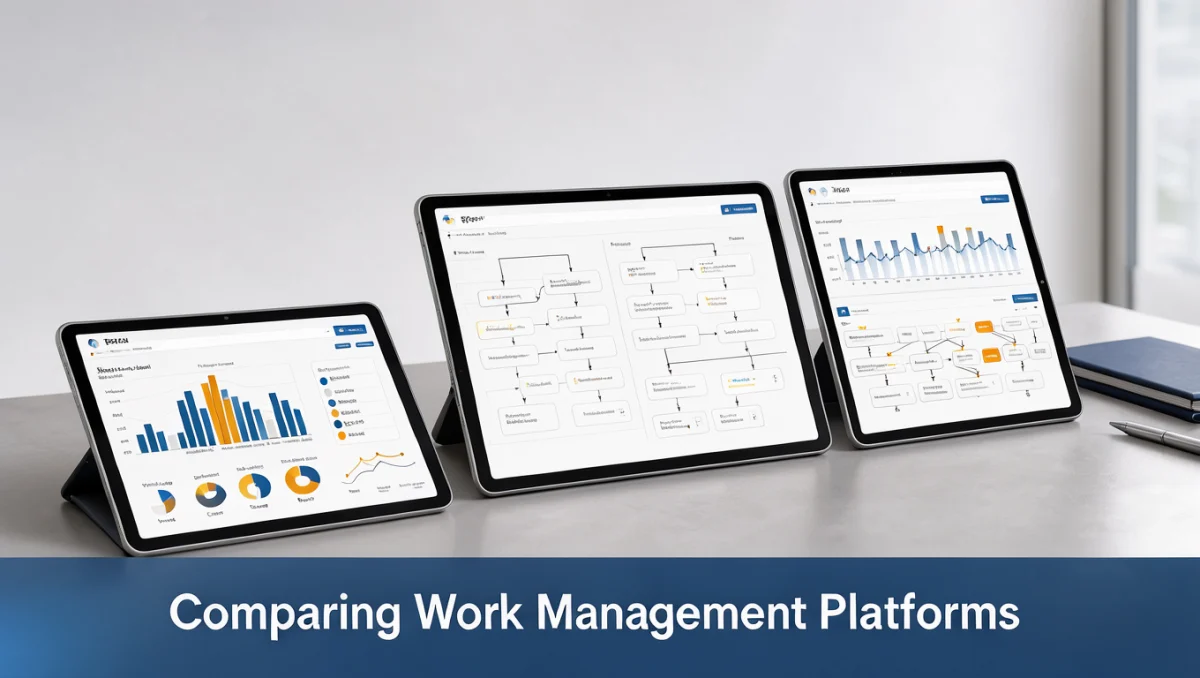
Understanding alternatives helps buyers place ClickUp within the wider project management market. Direct competitors target different team priorities and working styles.
| Platform | Target Audience | Structural Focus | Consideration Factor |
|---|---|---|---|
| ClickUp | Cross-functional teams | Highly customizable workspace hierarchy | Requires disciplined internal administration |
| Asana | Structured enterprise teams | Standardized workflow and project coordination | Favors established team structures |
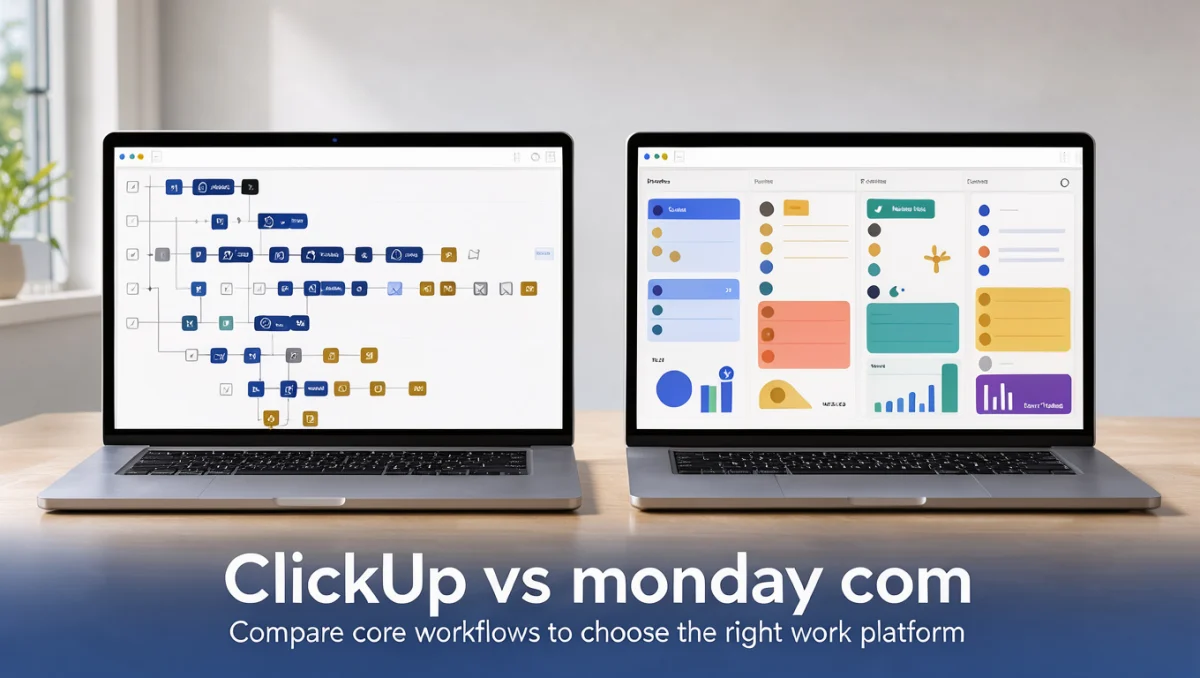
| Monday.com | Visual workflow planners | Color-coded visual table management | Prioritizes board-driven visual tracking |
| Trello | Lightweight agile groups | Minimalist card-based kanban boards | Limited native document hierarchy |
Asana emphasizes clear workflows and cross-department accountability, which suits teams with established project management routines. Monday.com focuses on visual status boards and tabular overviews that appeal to teams moving away from spreadsheets. Trello keeps things simple with kanban cards that can be set up and moved almost instantly. ClickUp positions itself as an all-in-one workspace that consolidates features spread across these tools, offering flexibility at the cost of deliberate setup.
7. Who Should Use ClickUp
Choosing software means matching an organization's working habits to the platform's design. Different user groups get different value from the system.
Freelancers and Independent Professionals
Freelancers managing complex deliverables for several clients can use separate spaces to keep each project isolated. Independent operators who only need simple reminder checklists, however, may find the structure more overhead than they need.
Small Business Owners
Small business operators can benefit from keeping operational documentation, client task tracking and internal roadmaps in one place. A single tool reduces the need for separate subscriptions for notes, scheduling and project tracking, provided the business invests time in initial workspace setup.
Marketing and Creative Teams
Creative departments handling content calendars, campaign deadlines and design reviews benefit from switching between calendar, board and list views. Centralized project briefs keep creative assets linked to revision tasks and final delivery dates.
Corporate Departments
Managers overseeing cross-functional initiatives can track milestone dependencies across teams. Granular permission controls let external partners or contractors see specific project lists without access to broader company initiatives.
Groups That Should Consider Alternatives
Teams that want zero setup or individuals who only need basic personal reminders are better served by lightweight task managers. Organizations without the bandwidth to establish workspace rules often run into friction with highly configurable platforms.
8. How to Choose the Right Plan
Vendors structure subscription tiers to match different stages of growth. To pick the right tier, compare your operational needs against the restrictions each plan imposes.
| What to check on official pricing pages | Why it matters for your budget |
|---|---|
| Workspace storage allocations | Prevents unexpected file attachment limits as projects grow |
| Custom field creation caps | Ensures teams can structure data without hitting plan limits |
| Advanced view accessibility | Confirms timeline and workload views are included in the chosen tier |
| Guest collaborator rules | Determines ongoing expenses when working with outside clients |
| Administrative security controls | Protects sensitive client data through granular access permissions |
Audit your actual user count and collaboration habits before upgrading. Choosing a plan based on current project requirements rather than hypothetical future needs keeps software budgets predictable.
9. Frequently Asked Questions
How should buyers evaluate platform update announcements?
Start by separating cosmetic interface changes from foundational improvements. Review the official changelog to see whether an update strengthens core stability, export options and everyday navigation. Testing changes in a non-critical sandbox project ensures they won't disrupt active client deliverables.
What hidden costs should teams budget for?
Budgeting for work management software goes beyond the base monthly seat fee. Account for administrative setup time, internal training hours and possible consulting help during deployment. Also verify whether guest access requires paid seats when collaborating with external partners.
When is a simpler task management tool the better choice?
A simpler app makes more sense when projects are straightforward and need little cross-department coordination. If team members mainly need deadline reminders and checklists, a deep project hierarchy adds friction that can slow adoption.
How can organizations prevent workspace clutter?
Set internal governance guidelines before onboarding begins. Designate a primary workspace administrator, create standard list templates and limit how many custom fields people can add. These steps keep every space structurally clear.
10. Final Verdict
ClickUp offers a flexible, capable environment for organizations that want to unify task execution, multiple scheduling views and internal documentation. Its extensive configuration options let diverse departments collaborate within a shared structure. That flexibility, however, demands deliberate administration so workflow complexity doesn't get in the way of daily productivity.
| Evaluation Criterion | Score /10 | Assessment Summary |
|---|---|---|
| Features | 8.5/10 | Broad functional coverage spanning tasks, views and integrated documentation |
| Ease of Use | 7.0/10 | Steep onboarding curve that requires internal governance to manage interface density |
| Pricing and Value | 7.5/10 | Verify seat minimums and feature allocations on the official site |
| Integrations | 7.5/10 | Confirm critical third-party connections on vendor documentation pages |
| Audience Fit | 8.5/10 | Well matched for teams that need customizable, multi-perspective project tracking |
| Support | 7.0/10 | Confirm available contact channels and response terms on official support pages |
| Competitive Position | 8.0/10 | Strong functional breadth against direct rivals like Asana and Monday.com |
Overall Review Vault score: 7.7/10
For independent software comparisons and objective evaluations, explore the research published by Review Vault to find tools that match your operational needs. Readers who want personalized recommendations or help with software selection criteria can contact our team through https://reviewvault.net/contact/ or follow Review Vault on LinkedIn at https://www.linkedin.com/company/reviewvault/.
See More Artificial Intelligence